
Are Maltesers Gluten Free? A Detailed Guide for Retailers and Bulk Buyers
Posted on: 30/04/2026
Are Maltesers
Gluten Free?
Maltesers contain barley malt extract and wheat flour, both sources of gluten. They are unsuitable for people with coeliac disease or gluten intolerance.
If you are sourcing confectionery for resale, customer questions about dietary suitability come up constantly. One of the most frequent concerns Maltesers. The short answer is no. Understanding why, how to communicate it and what it means for your product range matters more for your business.
What Are Maltesers?
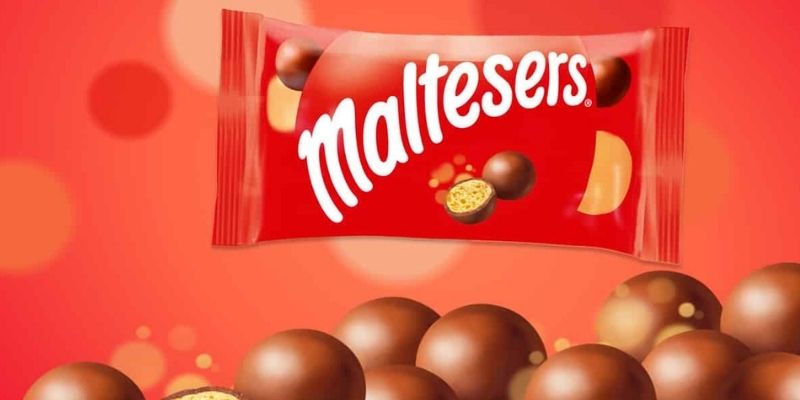
Maltesers are a chocolate confectionery product made by Mars Wrigley. They consist of a malted milk centre surrounded by a thick layer of milk chocolate. The defining feature is that aerated malt centre, which gives them their lighter texture compared to solid chocolate products.
They are sold across the UK and internationally in multiple formats, from small impulse packs to large seasonal tubs. You will find them in convenience stores, sweet shops, online retailers and wholesale channels. They are a high-recognition brand with strong customer loyalty, which is why they remain a consistent stock line for most retailers.
Formats available to wholesale buyers
Why Maltesers Are Not Gluten Free
The core reason comes down to the malted centre. Barley malt extract is one of the primary components, and barley is a gluten-containing grain. Any product derived from barley is unsuitable for a gluten free diet unless it has been specifically processed to remove gluten, which is not the case here. On top of that, Maltesers also contain wheat flour, so there are two separate sources of gluten in the same sweet.
Ingredient breakdown
Formulations can vary slightly by region and variant, but standard Maltesers include the following. The two gluten sources are marked.
Many customers assume lighter chocolate products might be gluten free because of the texture. Explicit communication beats assumption every time.
No Certified Gluten Free Options in the Range
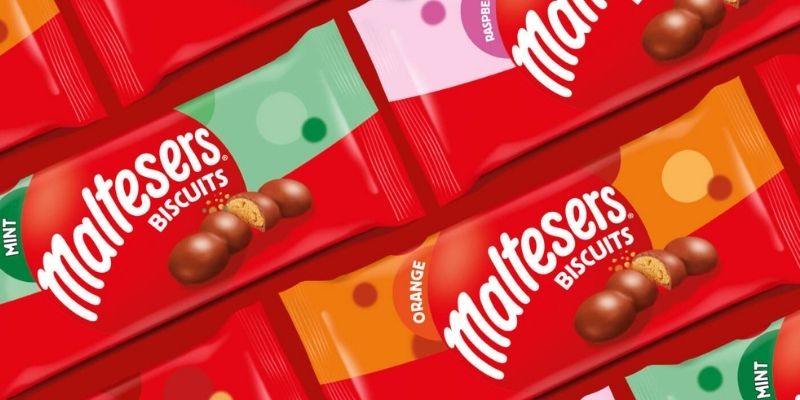
Across the core range there are currently no standard Maltesers products that are certified gluten free. All of these rely on the same or similar malt-based centre or flavour profile:
Manufacturers occasionally adjust recipes or release limited editions, so it is worth checking packaging and supplier specifications regularly. As a general rule, treat every Maltesers product as gluten-containing across all formats.
What This Means for Retailers and Bulk Buyers
This is especially important for online retailers. Product detail pages should include full ingredient breakdowns, clear allergen statements and direct answers to common search queries. That improves visibility in search, reduces pre-sale enquiries and builds trust.
Ambiguity creates compliance issues and customer complaints. The cost of getting it right is a few clear sentences. The cost of getting it wrong includes potential enforcement action and damage to customer trust.
Why Maltesers Still Perform Well in Wholesale
Maltesers is one of the most recognised chocolate brands in the UK, which drives repeat purchases and consistent demand. The light texture and shareable format appeal to a wide general audience, so despite not suiting gluten free diets they still reach a large customer base.
That format flexibility means you can stock what works for your specific customer base without holding dead inventory, and stocking the right formats at the right time can lift turnover noticeably around the key retail periods.
Key Takeaways for Wholesale Buyers
For businesses buying in bulk, accurate product knowledge is just as important as pricing and availability. Know your products inside out and you can stock with confidence, answering customer questions before they become problems.
Frequently Asked Questions
Quick answers to the questions customers ask most about Maltesers and gluten.
Are Maltesers gluten free?
No. Maltesers contain barley malt extract and wheat flour, both of which contain gluten. They are not suitable for individuals with coeliac disease or gluten intolerance.
What ingredients in Maltesers contain gluten?
The two main sources are barley malt extract and wheat flour. Barley is a gluten-containing grain, and the malt extract derived from it retains gluten. Both are present in standard Maltesers.
Are any Maltesers products gluten free?
No. Across the core range, including standard bags, Teasers bars, Truffles and seasonal products, there are currently no certified gluten free options.
Can someone with coeliac disease eat Maltesers?
No. Because Maltesers contain barley malt extract and wheat flour, they are not suitable for people with coeliac disease. Even small amounts of gluten can cause problems, so Maltesers should be avoided entirely.
How should I label Maltesers if I am selling them retail?
Product descriptions must clearly state that Maltesers contain wheat and barley and are not suitable for gluten free diets. Gluten is a major allergen under UK food regulations, so clear labelling is both a legal requirement and essential for customer safety and trust.
Why do some customers think Maltesers might be gluten free?
The light, airy texture of the malted centre leads some customers to assume the product might be gluten free, and lighter chocolate products are sometimes mistaken for being suitable for dietary restrictions. Clear communication at the point of sale manages those expectations.
What gluten free alternatives could I stock alongside Maltesers?
Several brands offer gluten free chocolate and confectionery products. Stocking a small range of certified gluten free sweets serves customers with dietary requirements, expands your customer base and shows you cater to different needs.
Do Maltesers ingredients vary by country?
Formulations can vary slightly by region, but all standard Maltesers products contain barley malt extract and wheat flour. Always check the packaging of the specific products you are stocking, as recipes can be updated.
Stock Maltesers With Confidence
Buy the formats that suit your shelves, list the allergen information clearly and answer the question before your customers have to ask it.
Shop Maltesers Browse HS Wholesale Sweets